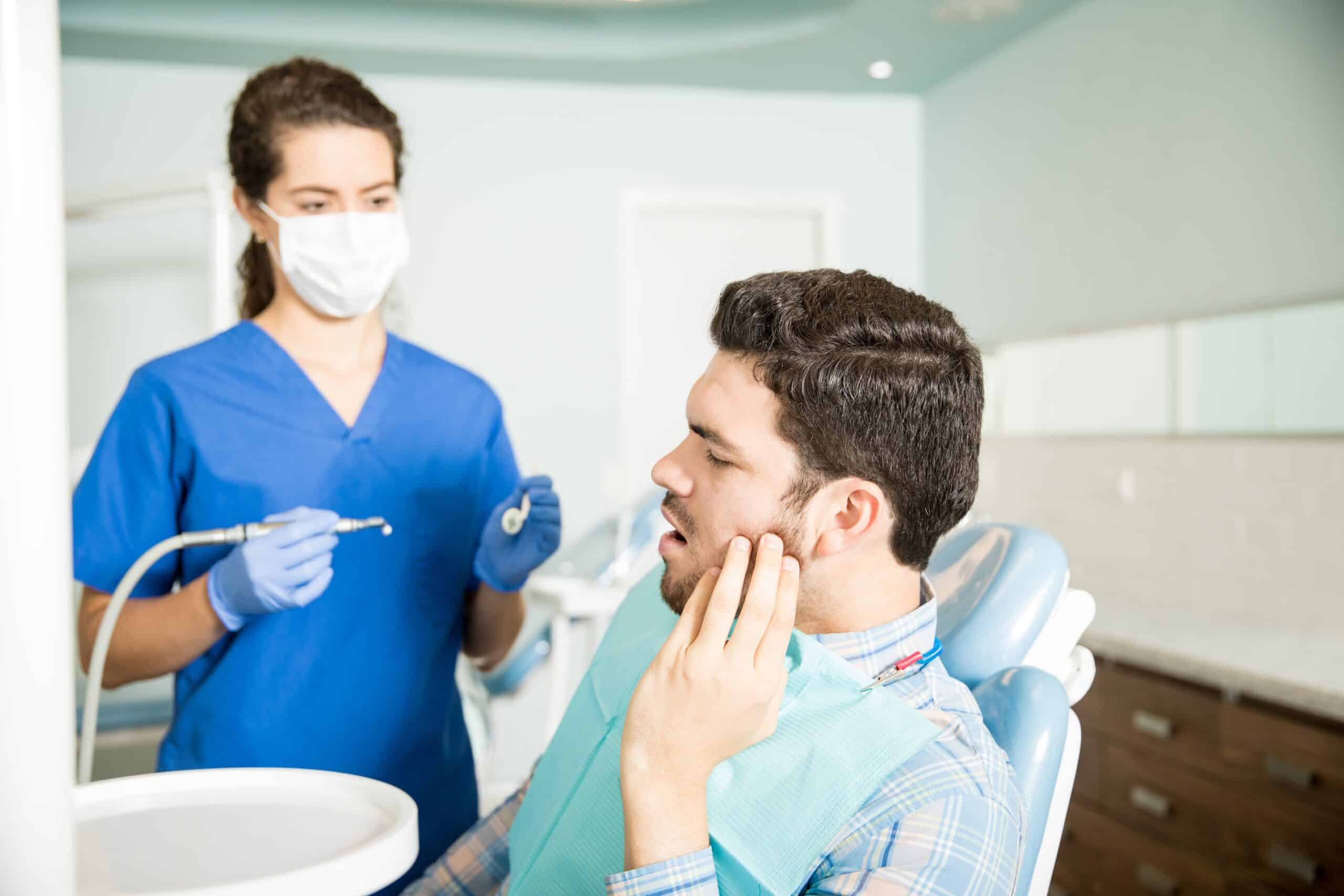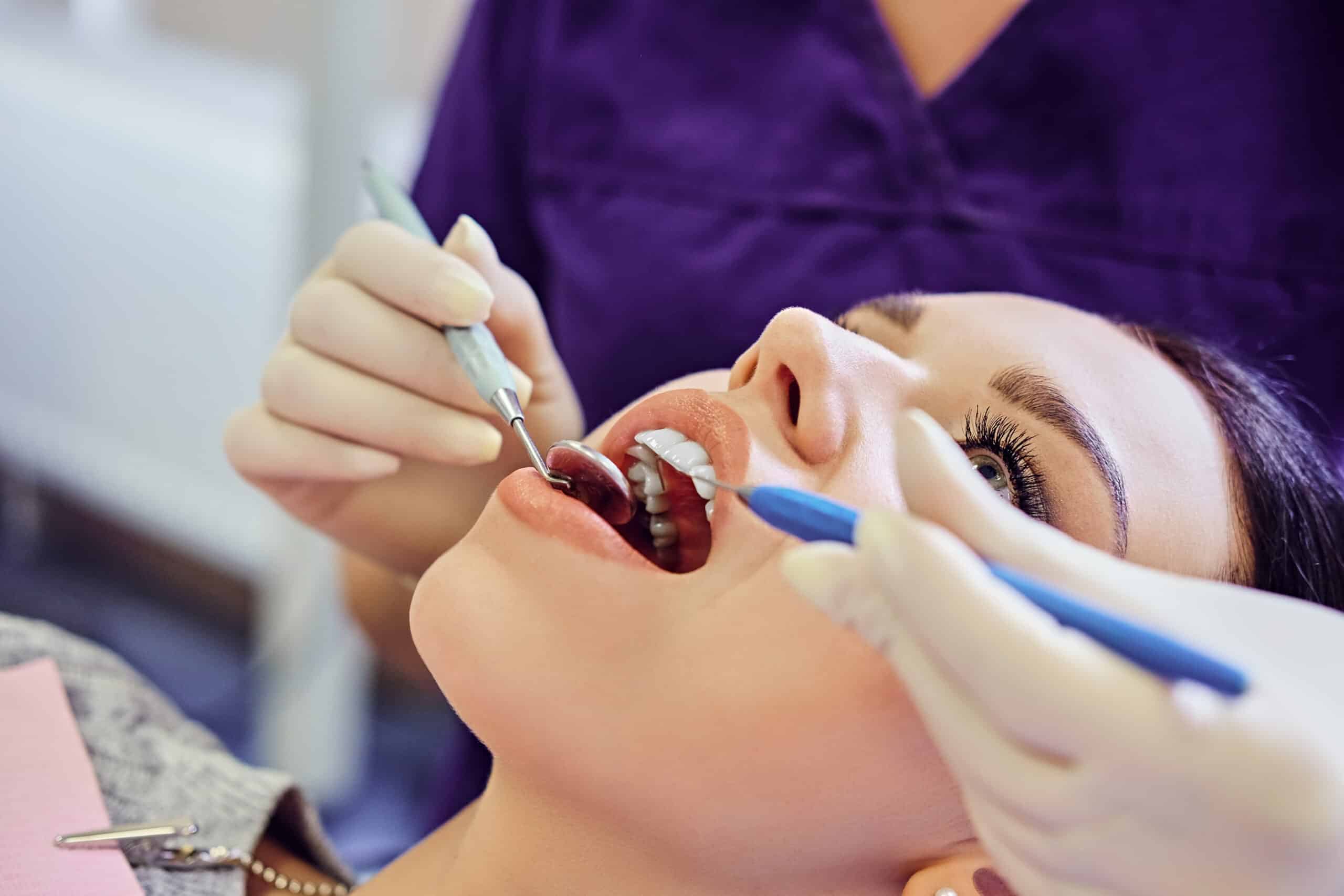

After getting a fluoride treatment, many people ask what foods to eat to get the most benefit. Fluoride is a mineral that helps protect your teeth, especially after a professional treatment. It makes your tooth enamel stronger and helps prevent cavities. However, it’s essential to follow some simple rules after your treatment to ensure the fluoride works as effectively as possible. In this blog, we will tell you what foods to eat after a fluoride treatment and what you should avoid.
What To Avoid After Fluoride Treatment
Right after the treatment, you should be careful about what you eat.
There are a few things that you should avoid during the first hour after your fluoride treatment in Denver because they can prevent fluoride from fully absorbing into your teeth.
- Hot Foods and Drinks: Hot foods and drinks can cause the fluoride to wash off. It’s best to wait at least an hour before eating or drinking anything hot.
- Acidic Foods: Foods that are acidic, like citrus fruits and drinks like orange juice or lemonade, can irritate your teeth and keep the fluoride from doing its job.
- Sticky Foods: Chewy or sticky foods can get stuck in your teeth, which could make your fluoride treatment less effective.
What To Eat After Fluoride Treatment
After the first hour, you can eat and drink, but be careful.
Stick to foods and drinks that are gentle on your teeth and won’t interfere with fluoride absorption.
- Soft Foods: Soft foods like mashed potatoes, yogurt, or applesauce are good to eat after getting fluoride because they are gentle on your teeth and easy to eat.
- Non-Acidic Fruits: If you are craving something sweet, try to eat something non-acidic, like bananas or melons, because they won’t hurt your teeth or wash away the fluoride.
- Low-Sugar Foods: The more you protect your enamel with fluoride, the better. It’s good to eat foods low in sugar, like vegetables or grains, because they keep your enamel strong.
When you go in for fluoride treatment in Denver, your dentist will probably tell you to avoid anything too hard on your teeth after treatment. This will help the fluoride stay on your enamel and do its magic.
The Reason You Should Wait to Eat or Drink
One should let the fluoride settle in after the fluoride treatment. This is the reason why you must not eat or drink for more than 30 minutes or an hour. It is during this period that the fluoride strengthens your enamel, making your teeth more resistant to cavities. Consuming or drinking too soon can wash away fluoride, reducing its effectiveness.
How Often Should You Get Fluoride Treatments?
Fluoride treatment for sensitive teeth is an excellent option to improve your oral health if you are at a higher risk of cavities. The number of such treatments varies depending on your dental health and your dentist’s recommendations. Some receive fluoride treatments every six months, whereas others may require them more often. You should always listen to your dentist to maintain a strong, healthy smile.
Smile Studio Dental – Denver: Keep Your Smile Healthy
Do not leave the care of your teeth after fluoride treatment. These are simple fluoride treatment aftercare steps in order to maximize the benefits of your treatment in Denver.
At Smile Studio Dental, our mission is to help you have a cavity-free, healthy smile. You can contact us if you have any questions about fluoride treatments or book a new appointment.
FAQs
When can I eat immediately after fluoride treatment?
Do not eat or drink for 30 minutes to 1 hour after taking fluoride, as the teeth will not fully absorb it.
Is it possible to brush my teeth after a professional fluoride treatment?
Better not brush for a few hours to have the fluoride remain on your enamel.
What will happen if I consume the wrong foods after having fluoride treatment?
Consuming acidic or sticky foods may disrupt fluoride absorption, rendering it ineffective.
Is it safe to treat children with fluoride?
Indeed, fluoride treatments are safe for both children and adults. It is beneficial for those prone to cavities. Yet anyone should consult a dentist in Denver before doing it.
How frequent are fluoride treatments supposed to be?
The frequency of fluoride treatments depends on the health of the teeth, but most people receive fluoride every six months.
Is it possible to prevent cavities through fluoride treatment?
Yes, fluoride strengthens tooth enamel, making it more resistant to cavities and corrosion.
What should I do if I swallow fluoride during treatment?
If a large amount of fluoride is swallowed, seek immediate medical advice or contact poison control.