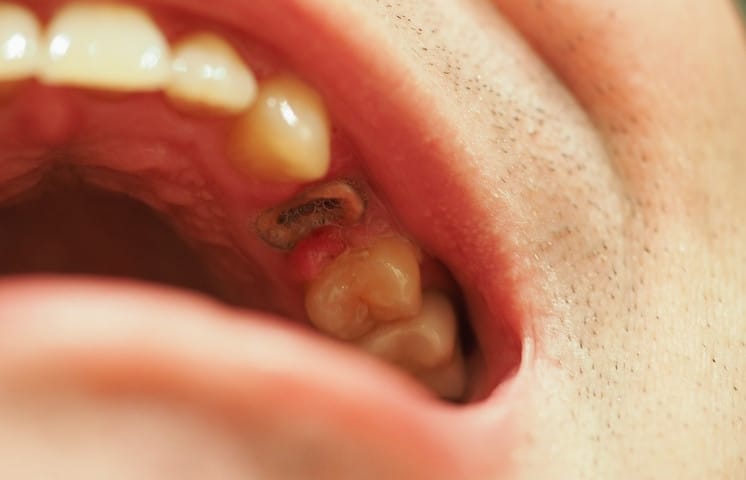

We’ve all been there: a sudden toothache or gum irritation that strikes out of nowhere. The discomfort can be unbearable, leaving you feeling desperate for relief. But did you know that a simple saltwater rinse could help? It’s a remedy that’s often recommended by dentists, particularly in emergencies, to provide immediate relief. Whether you’re dealing with swelling, irritation, or discomfort after a dental procedure, rinsing your mouth with saltwater can be a lifesaver.
In this blog, we’ll explore the reasons why saltwater is so effective in reducing emergency dental pain, the science behind it, and how you can use this age-old remedy properly to find relief. If you’ve never tried it before or aren’t sure about how it works, read on to learn all about the “saltwater secret.”
What Is Saltwater Brining?
Saltwater brining is simply the process of mixing salt with warm water to create a rinse that is both soothing and effective for oral pain relief. The most common solution consists of one teaspoon of salt dissolved in about a cup (8 oz) of warm water. This simple solution is effective and gentle, making it safe for use at home.
Why It Works
The science behind why saltwater rinses are so effective lies in osmosis. When you rinse your mouth with saltwater, the salt draws out toxins and excess fluid from your swollen tissues, helping to reduce inflammation.
In addition, the warm water soothes the area, promoting a sense of comfort. Saltwater also helps balance the pH levels in your mouth, reducing the risk of bacterial growth and helping to cleanse the affected area.
Common Uses for Saltwater Rinses
Saltwater rinses are often used to manage various dental issues and are an important part of maintaining oral health. Some of the most common situations where saltwater rinses are recommended include:
- After Dental Procedures: Following a tooth extraction, root canal, or other dental work, a saltwater rinse can help reduce pain and promote healing.
- Gum Irritation: Whether it’s from braces, dentures, or just poor oral hygiene, saltwater rinses can provide relief for sore or inflamed gums.
- Toothaches: Saltwater can temporarily alleviate discomfort caused by a toothache, allowing you to get through the day until you can see a dentist.
- Mouth Sores and Ulcers: If you have painful mouth sores, a saltwater rinse can promote healing and reduce the pain.
The Science Behind Saltwater’s Pain-Relieving Properties
Reducing Inflammation
Saltwater works as a natural anti-inflammatory agent. When you rinse with saltwater, the osmotic effect draws out fluid from inflamed tissues, thereby reducing swelling.
This makes it an ideal solution for conditions like gum inflammation, which is often a precursor to more severe dental issues. By reducing inflammation, saltwater rinses provide quick relief and promote the healing of damaged tissue.
Cleansing Effect
Another reason saltwater rinses are so effective is their ability to cleanse the mouth. The saltwater solution helps flush out food particles, bacteria, and debris that may be trapped between your teeth or gums.
This cleansing effect reduces the chances of further irritation or infection, preventing the pain from worsening. It can also help eliminate bad breath caused by bacterial buildup.
Promoting Healing
Saltwater rinses also accelerate the healing process. Whether it’s after a dental procedure or for a minor infection, saltwater helps create an environment where tissues can heal more effectively. The salt has natural antimicrobial properties that prevent bacteria from thriving in the mouth, reducing the risk of infection in the affected area.
By regularly rinsing with saltwater, you help your body heal faster, ultimately reducing the risk of more serious pain or complications. However, it’s important to remember that while saltwater can help manage minor issues, it’s not a replacement for professional dental care.
How to Brine Your Mouth Correctly
Step-by-Step Instructions
1. Mix the Solution
To prepare the saltwater rinse, start by mixing one teaspoon of salt in about one cup (8 oz) of warm water. The water mustn’t be too hot or too cold. Lukewarm water is ideal as it will be gentle on your mouth.
2. How to Swish
Once the saltwater solution is ready, take a small sip and swish it around your mouth for 30 seconds to one minute. Focus on the area where you feel pain or irritation, gently moving the liquid around. Be sure not to swallow the saltwater, as it’s meant to rinse your mouth, not be ingested.
3. Frequency
You can rinse with saltwater two to three times a day for relief, but don’t overdo it. Too many saltwater rinses can cause your gums to dry out, so stick to a moderate routine. After meals or before bed is a great time to use this remedy, as it helps keep your mouth clean and provides relief.
4. Duration
It’s best to rinse for about 30 seconds to one minute. If you’re dealing with particularly painful areas, you can repeat the rinse, but always be gentle. The warmth of the water will help soothe any pain, and the salt will work to reduce swelling and discomfort.
Benefits Beyond Pain Relief
Antibacterial Effect
One of the key benefits of saltwater rinses is their natural antibacterial properties. The salt in the solution helps create an environment where harmful bacteria have a harder time surviving. This is particularly important for patients recovering from dental procedures, as it reduces the chances of infections in the treated areas.
Regular saltwater rinses can also help combat bacteria that cause bad breath or gum disease, keeping your mouth healthier in the long run.
Affordable & Accessible
One of the best things about saltwater rinses is how easy and inexpensive they are to make. All you need is salt and water. Two readily available ingredients that you likely already have at home.
No special equipment or costly products are required, making this remedy a great option when you need quick relief.
Post-Treatment Care
After a dental procedure, like a tooth extraction or dental cleaning, your dentist might suggest using a saltwater rinse as part of your aftercare.
This simple remedy can help with pain management, reduce swelling, and ensure that the treated area heals properly. It’s also a great addition to your daily oral care routine to maintain good gum health.
Limitations and When to Seek Professional Help
Not a Long-Term Solution
While saltwater rinses provide quick relief, they are not a permanent solution for serious dental problems. They’re great for managing minor discomfort, but if you’re experiencing persistent pain or discomfort, it’s important to see a dentist.
Saltwater rinses help manage symptoms, but they won’t address the root cause of the issue.
Severe Pain Indicators
If you notice any of the following symptoms, it’s time to call an emergency dentist in Denver:
- Severe, throbbing pain that doesn’t go away
- A large abscess or swelling that’s spreading
- Persistent bleeding
- Sudden sensitivity to hot or cold that doesn’t subside
These could be signs of a more serious problem, such as an infection or a deep cavity that requires professional treatment. Don’t wait for the pain to worsen. Seek help from a dentist right away.
Other Solutions
If you’re unable to see a dentist immediately, over-the-counter pain relievers or cold compresses can help manage the pain temporarily. However, these should not replace professional care when needed.
Saltwater rinses are a simple, effective way to manage pain during a dental emergency. Whether you’re dealing with a minor toothache, gum irritation, or post-procedure discomfort, saltwater can help reduce inflammation, cleanse the affected area, and promote healing. However, it’s important to remember that while saltwater can provide temporary relief, it’s no substitute for professional care.
If you need a reliable emergency dentist to address ongoing dental concerns, don’t hesitate to contact Smile Studio Dental. Our team is here to help you get the care you need, when you need it most. Keeping saltwater in your first aid kit is a great idea for minor issues, but remember, for more serious pain, professional help is just a call away.
What People Ask
How often should I use a saltwater rinse?
You can rinse with saltwater two to three times a day, especially after meals or before bedtime.
Can saltwater help with a tooth abscess?
Saltwater can temporarily reduce swelling and pain, but you should see a dentist for a proper treatment plan.
How long should I rinse with saltwater?
Rinse for about 30 seconds to one minute for maximum relief and effectiveness.
Is a saltwater rinse safe for daily use?
Yes, it’s safe for daily use as long as you don’t overdo it. Stick to two to three times a day.
What’s the ideal temperature for the saltwater rinse?
Use lukewarm water—neither too hot nor too cold—to avoid irritating your mouth.