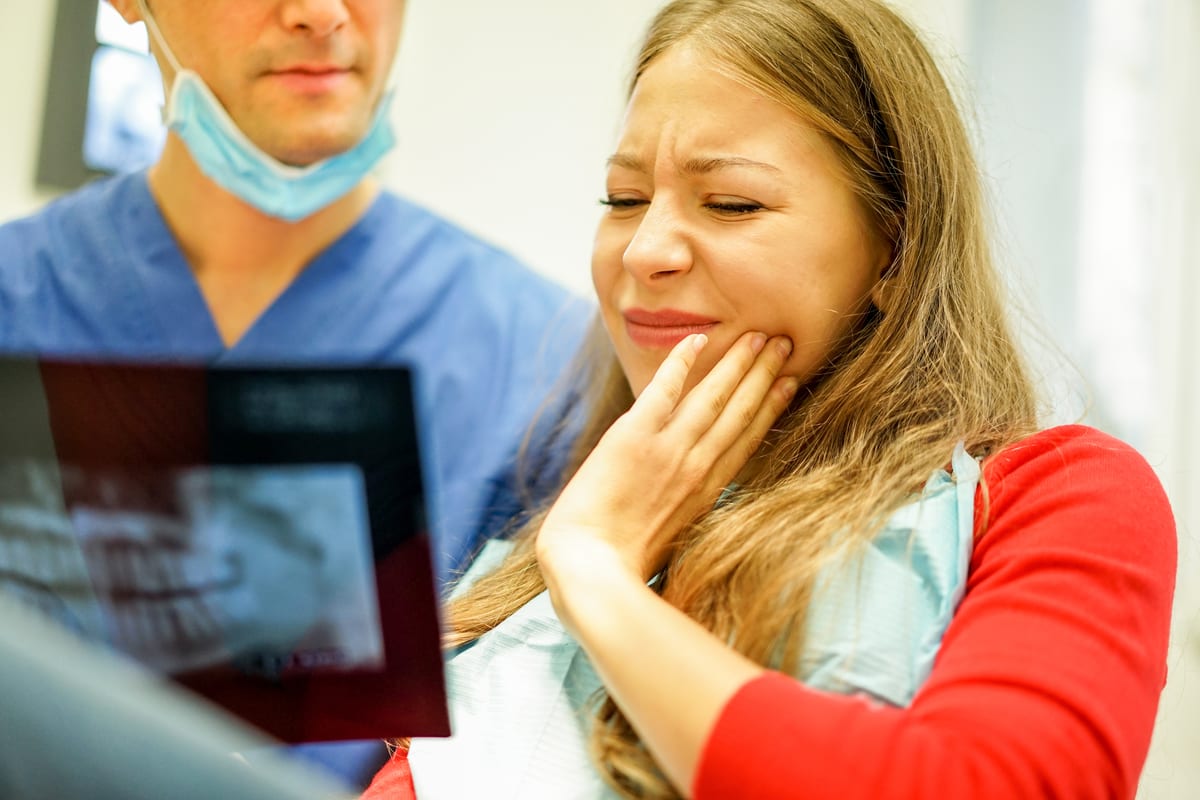

Wondering if your mouth is ready for wisdom teeth removal in Denver? You are not alone. Thousands of Denver residents deal with wisdom tooth pain, crowding, or uncertainty every year. Understanding whether you are a good candidate — and what the evaluation process looks like — helps you make a confident, informed decision.
At Smile Studio Dental, Dr. Rana Sweis takes a thorough, patient-first approach. Every smile is different. That means candidacy for wisdom teeth removal depends on several personal factors, not just your age or pain level.
Who Is a Candidate for Wisdom Teeth Removal in Denver?
Not everyone needs their wisdom teeth removed. Some people never develop them at all. Others have wisdom teeth that erupt fully and cause no problems. However, many patients do face complications that make removal the best option.
You may be a strong candidate if you experience any of the following:
- Crowding or shifting of your existing teeth
- Repeated infections around the back molars
- Impacted wisdom teeth that cannot erupt normally
- Cysts or fluid-filled sacs forming around the tooth
- Persistent jaw pain or stiffness near the back of your mouth
- Tooth decay in a wisdom tooth that cannot be easily treated
Younger patients often recover faster. Still, adults of any age can safely undergo the procedure. Dr. Sweis evaluates each patient individually to determine the most appropriate path forward.
What Does the Evaluation Process Involve in Denver?
Before recommending wisdom teeth removal, Dr. Rana Sweis conducts a comprehensive exam. This evaluation gives her the full picture of your oral health. No two evaluations are exactly the same.
Here is what you can typically expect during your candidacy assessment:
- Medical and dental history review — Dr. Sweis reviews any conditions or medications that could affect your procedure or healing.
- Digital X-rays or 3D imaging — These images reveal the exact position of your wisdom teeth below the gumline.
- Visual oral exam — Dr. Sweis checks for signs of infection, swelling, or damage to neighboring teeth.
- Discussion of symptoms — You share what you have been experiencing, including pain, pressure, or difficulty chewing.
- Candidacy determination — Based on all findings, Dr. Sweis recommends removal, monitoring, or another course of action.
This process is thorough and unhurried. You will leave the evaluation with a clear understanding of your situation and your options.
Key Factors That Determine the Best Approach
Several factors influence how wisdom teeth removal is performed. These factors also shape recovery and the level of complexity involved. Dr. Sweis explains every detail so you feel fully prepared.
Position of the tooth plays a major role. Fully erupted teeth are generally easier to remove. Impacted teeth — those trapped beneath the gum or bone — require a more involved surgical approach.
Root development also matters. Wisdom teeth with shorter, less developed roots are typically easier and safer to extract. Fully formed roots can curve or press against nerves, requiring extra precision.
Your overall oral health affects the plan too. Active gum disease or infection near the extraction site may need to be treated first. Addressing those concerns helps ensure a smoother procedure and healing process.
For patients who feel anxious about any dental procedure, comfort options are available. Dental Sedation Denver services at Smile Studio Dental help nervous patients feel calm and at ease throughout their visit. This makes the entire experience far more manageable.
What Happens After Wisdom Teeth Removal?
Recovery is a key part of the conversation when evaluating candidacy. Understanding what healing looks like helps you plan appropriately. Most patients return to normal activities within a few days to a week.
Here are important recovery facts to know:
- Swelling and mild discomfort are normal for the first 48 to 72 hours
- Soft foods are recommended for several days following the procedure
- Avoiding straws prevents a painful condition called dry socket
- Prescription or over-the-counter pain relief helps manage discomfort
- Follow-up appointments allow Dr. Sweis to monitor healing progress
Following post-operative instructions carefully leads to better outcomes. Dr. Sweis and the Smile Studio Dental team provide clear, written aftercare guidance. You will never be left guessing about what to do next.
Once healing is complete, many patients notice improvements in their overall oral health. Adjacent teeth may feel less crowded. Jaw discomfort often disappears entirely. Some patients then pursue cosmetic improvements like Dental Veneers Denver to enhance their newly healthy smiles.
Why Choose Smile Studio Dental for Wisdom Teeth Removal in Denver?
Dr. Rana Sweis brings both skill and compassion to every procedure at Smile Studio Dental. She takes time to listen, explain, and personalize care for each Denver patient. You are never rushed through a decision this important.
The practice combines modern technology with a warm, welcoming environment. From your first evaluation to your final follow-up, the entire team supports your comfort and confidence. Denver patients trust Smile Studio Dental because results speak for themselves.
If you have been wondering whether your mouth is ready for wisdom teeth removal in Denver, now is the perfect time to find out. Schedule a consultation and get clear answers tailored specifically to your smile. Book Now to schedule your appointment with our team.
Frequently Asked Questions
How do I know if my wisdom teeth need to be removed?
Common signs include jaw pain, crowding, recurring infections near the back molars, or an impacted tooth identified on X-rays. Dr. Rana Sweis performs a thorough evaluation to determine whether removal is the right choice for your specific situation.
At what age should wisdom teeth be evaluated?
Most dentists recommend an evaluation in the late teens to early twenties. However, adults of any age can be evaluated and treated. Earlier removal often means shorter roots and simpler procedures, but candidacy is assessed individually regardless of age.
Is wisdom teeth removal painful?
The procedure itself is performed under local anesthesia, so you should feel no pain during removal. Sedation options are also available for anxious patients. Post-procedure discomfort is manageable with proper pain relief and typically resolves within a few days.
What is an impacted wisdom tooth?
An impacted wisdom tooth is one that cannot fully emerge through the gumline. It may be blocked by other teeth or trapped beneath bone. Impacted teeth often cause pain, infection, and crowding — and frequently require surgical removal.
How long does recovery from wisdom teeth removal take?
Most patients feel significantly better within three to five days. Full tissue healing can take several weeks. Following Dr. Sweis’s aftercare instructions carefully — including dietary restrictions and proper cleaning — leads to the fastest and smoothest recovery.