
Tooth pain can stop you in your tracks. Whether it is a dull ache or a sharp, throbbing sensation, most Denver residents wonder the same thing: why does your tooth hurt and when should you panic in Denver? The answer depends on the cause, the severity, and how quickly the problem progresses. Dr. Rana Sweis at Smile Studio Dental – Denver helps patients understand exactly what their pain means — and what to do next.
Common Causes of Tooth Pain You Should Know
Not all tooth pain is created equal. Some causes are minor and manageable. Others signal a serious problem that needs immediate attention.
Here are the most common reasons your tooth may be hurting right now:
- Tooth decay (cavities): Bacteria erode enamel and reach sensitive inner layers.
- Cracked or fractured tooth: Cracks expose nerve endings and cause sharp, unpredictable pain.
- Dental abscess: A bacterial infection forms a pocket of pus near the root or gum.
- Gum disease: Advanced gum inflammation causes aching and sensitivity around the tooth base.
- Teeth grinding (bruxism): Nighttime grinding wears enamel and strains jaw muscles.
- Sinus pressure: Upper back teeth share nerve pathways with your sinuses.
- Damaged filling or crown: Exposed tooth structure leads to sudden sensitivity or pain.
Understanding the source of your pain is the first step. Some of these causes need same-day care. Others can wait a few days without serious risk.
When Your Tooth Pain Is a True Dental Emergency in Denver
Certain symptoms should never be ignored. Waiting too long can turn a treatable problem into a serious — even dangerous — health crisis. If you experience any of the following, you should call Smile Studio Dental – Denver right away.
Signs you are dealing with a dental emergency:
- Severe, throbbing pain that does not respond to over-the-counter pain relievers
- Visible swelling in your jaw, cheek, or neck
- Fever combined with tooth pain — this may indicate a spreading infection
- A knocked-out or partially dislodged tooth
- Pain when biting down that comes on suddenly and intensely
- A foul taste or smell indicating possible abscess drainage
A dental abscess is especially dangerous. Infections near the tooth root can spread to your jaw, neck, and — in rare but serious cases — your bloodstream. Same-day emergency care is critical in these situations.
Denver residents should not wait and see when swelling and fever are involved. Dr. Sweis offers emergency dentistry to address these urgent cases quickly and safely.
When Tooth Pain Can Wait — But Still Needs Attention
Not every toothache requires a panicked trip to the dentist. Some situations are uncomfortable but not immediately dangerous. You still need an appointment — just not necessarily the same day.
Tooth pain that can typically wait two to three days includes:
- Mild sensitivity to hot or cold that fades quickly after exposure
- A lost filling with no sharp pain or swelling
- Minor gum soreness or irritation without fever
- Dull, intermittent aching without visible swelling
Even when pain is mild, ignoring it is never smart. Minor problems almost always worsen over time. A small cavity becomes a root canal candidate. A hairline crack becomes a fractured tooth. Scheduling a prompt appointment protects both your comfort and your wallet.
If you feel anxious about visiting the dentist, know that Dental Sedation Denver options are available at Smile Studio Dental – Denver. Sedation helps patients relax fully during treatment, even during more complex procedures.
How Dr. Rana Sweis Diagnoses and Treats Tooth Pain
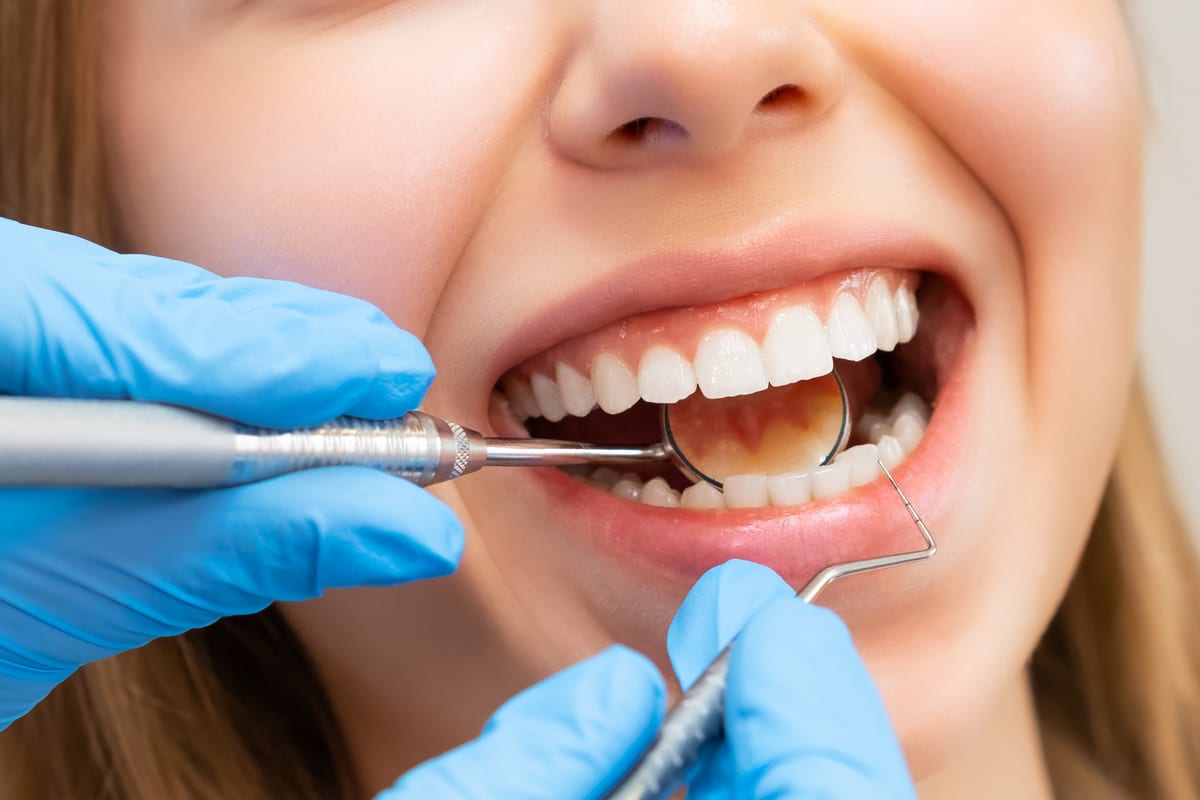
When you arrive at Smile Studio Dental – Denver with tooth pain, Dr. Sweis does not guess. She uses a systematic diagnostic process to pinpoint the exact cause of your discomfort.
Your visit will typically involve:
- A detailed conversation about when the pain started, how it feels, and what makes it better or worse.
- A clinical examination of the affected tooth, surrounding gum tissue, and bite alignment.
- Digital X-rays to detect decay, bone loss, abscesses, or hidden cracks beneath the surface.
- Sensitivity testing to determine whether the nerve is still vital or has been compromised.
Treatment depends entirely on what Dr. Sweis finds. Options range from a simple filling to a root canal, crown, or — in cases of severe damage — extraction followed by a dental implant. Every recommendation is based on preserving your natural tooth whenever possible.
For patients concerned about aesthetics after restorative work, Dental Veneers Denver can restore the appearance of treated or damaged teeth beautifully.
Preventing Future Tooth Pain in Denver
The best toothache is the one you never get. Preventive care is by far the most effective strategy for avoiding painful dental emergencies down the road.
Dr. Sweis recommends these habits for every Denver patient:
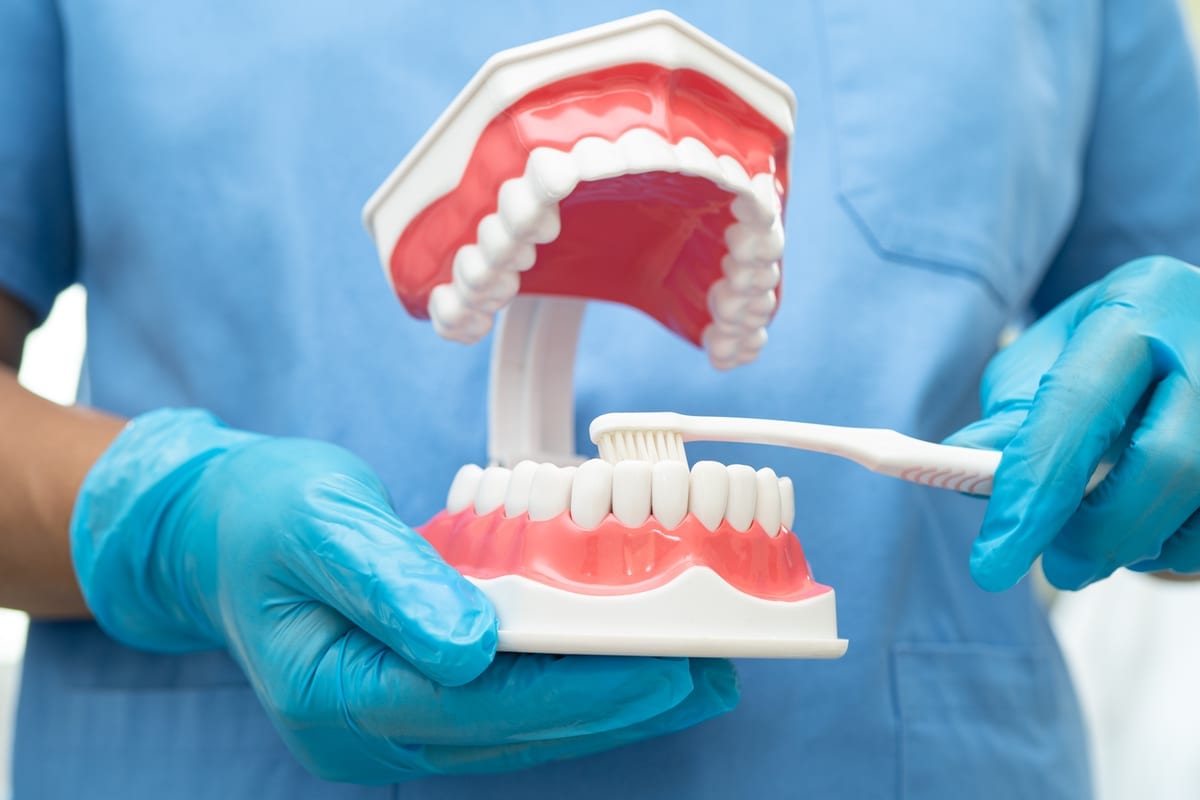
- Brush twice daily with a fluoride toothpaste
- Floss at least once per day to remove bacteria between teeth
- Attend routine cleanings and exams every six months
- Wear a custom nightguard if you grind your teeth
- Avoid chewing ice, hard candies, or using teeth to open packaging
- Address small dental problems before they escalate into emergencies
Preventive dentistry at Smile Studio Dental – Denver is designed to catch problems early. Regular X-rays and exams give Dr. Sweis the information she needs to intervene before pain ever starts.
Conclusion: Do Not Wait When Your Tooth Is Telling You Something
Tooth pain is your body’s way of sending a signal. Sometimes that signal says