
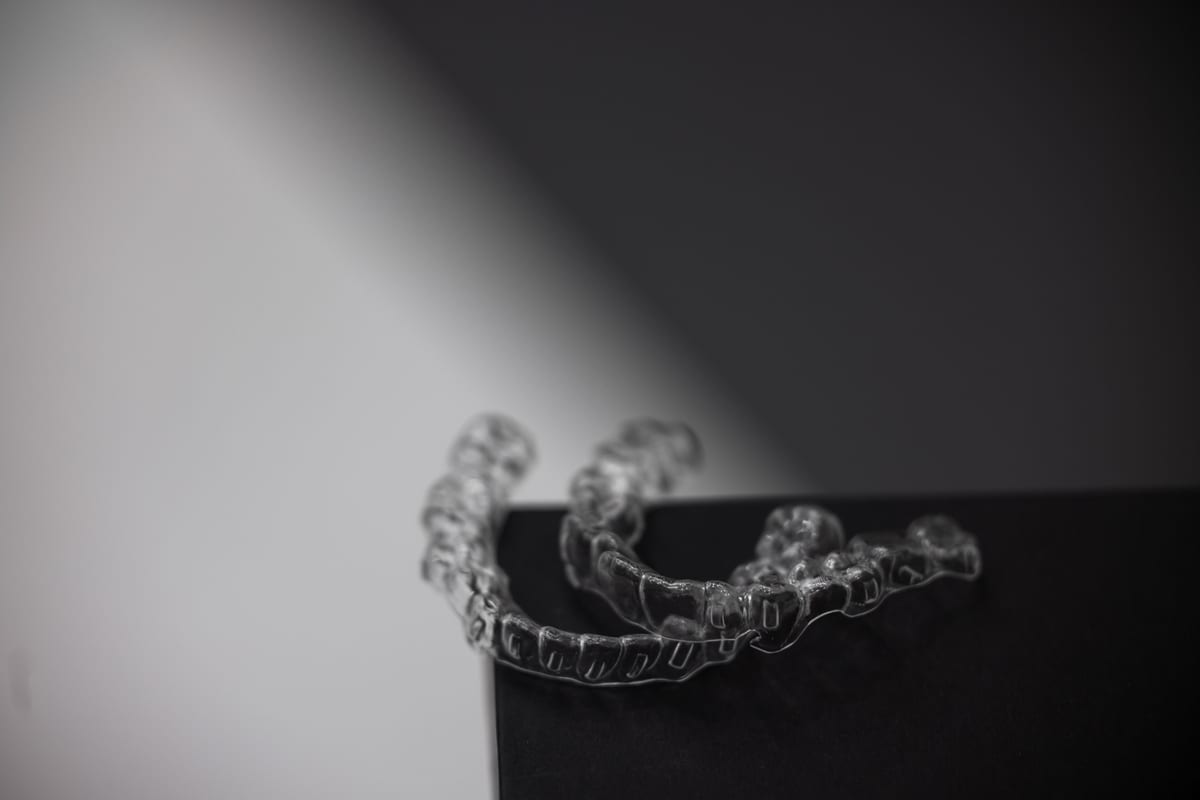
If you’ve started Invisalign treatment, you’ve probably asked a very common question. Why do your aligners need to change every two weeks? Understanding why your Invisalign aligners change every two weeks in Denver helps you stay committed to your treatment plan. At Smile Studio Dental, Dr. Rana Sweis walks every patient through the science behind each aligner stage. The more you understand the process, the better your results will be.
How Invisalign Actually Moves Your Teeth
Invisalign works through a principle called controlled, incremental force. Each aligner is slightly different from the one before it. This small difference creates gentle pressure on specific teeth. Over time, that pressure guides your teeth into their ideal positions.
Your jawbone responds to this pressure in a fascinating way. Bone tissue on one side of the tooth breaks down slightly. New bone tissue forms on the other side to stabilize the new position. This biological process is called bone remodeling, and it takes time.
That is exactly why rushing through aligners never works. Your bone needs time to solidify each new tooth position. Skipping ahead would cause pain and potentially undo your progress. Each two-week period gives your bone just enough time to adapt before the next aligner takes over.
Why the Two-Week Schedule Exists for Denver Patients
Dr. Rana Sweis follows Invisalign’s evidence-based aligner change protocol for good reason. Clinical research shows that two weeks is the optimal window for safe tooth movement. Moving too fast risks root damage and instability. Moving too slowly adds unnecessary time to your treatment.
Most patients switch aligners every 10 to 14 days. Some patients with specific tooth movements may hold an aligner slightly longer. Dr. Sweis evaluates your progress regularly and may adjust your schedule as needed. Your treatment at Smile Studio Dental in Denver is never one-size-fits-all.
Here is what happens during each two-week aligner phase:
- Days 1–3: You feel noticeable pressure as the aligner begins moving teeth.
- Days 4–7: Pressure gradually eases as teeth respond to the new position.
- Days 8–14: Teeth settle and bone begins to remodel around the new position.
- Day 14: Your teeth are ready for the next incremental aligner change.
The Role of Attachments in Your Aligner Changes
Attachments are small, tooth-colored bumps bonded to certain teeth. They look like tiny dots and are barely visible. These attachments give your aligners something to grip during complex movements. Without them, certain rotations and shifts would be nearly impossible.
Attachments work hand-in-hand with your aligner change schedule. Each new aligner presses against these attachments differently. This allows Dr. Sweis to apply precise force in very specific directions. The result is more predictable tooth movement with each new tray.
Not every patient needs attachments. Simpler cases may require no attachments at all. If you do have them, you may barely notice them after the first week. They are removed completely at the end of your treatment without damaging your enamel.
Some patients also wonder how Invisalign compares to other cosmetic options. For example, Dental Veneers Denver can address shape and color concerns that Invisalign does not treat. Dr. Sweis can help you understand which option — or combination — fits your smile goals best.
What Are Refinements and Why Might You Need Them
Refinements are additional aligner series created after your initial treatment ends. They fine-tune tooth positions that did not move exactly as planned. Refinements are extremely common and do not mean your treatment failed. They simply reflect how your unique biology responded to the aligners.
Here is why refinements happen:
- Some teeth are naturally more resistant to movement than others.
- Patients who wear aligners fewer than 22 hours daily may see less precise results.
- Complex cases involving significant rotation often need a second round of fine-tuning.
- Bone remodeling varies from person to person based on age and biology.
Refinements follow the same two-week aligner change schedule as your original series. Dr. Sweis reviews 3D imaging and digital scans to plan each refinement series carefully. Most patients need one round of refinements at most. The goal is always a stable, beautiful, and functional bite.
If dental anxiety has made you hesitant about any treatment, know that Smile Studio Dental also offers Dental Sedation Denver to keep you comfortable throughout your visit. Invisalign itself is non-invasive, but sedation options are available for patients who need extra support during check-in appointments.
Tips for Getting the Most From Each Aligner Change in Denver
Your aligner change schedule only works if you follow a few key habits. Dr. Rana Sweis recommends these practices to every Invisalign patient at Smile Studio Dental.
First, always wear your aligners for at least 22 hours per day. Remove them only to eat, drink anything other than water, and brush your teeth. Consistency is the single most important factor in your treatment success. Even one or two hours of skipped wear time per day can delay your results significantly.
Second, switch to your new aligner at night before bed. The initial pressure is strongest during the first few hours. Sleeping through that adjustment period makes the transition much more comfortable. You will wake up with most of the initial soreness already behind you.
Third, keep every scheduled check-up appointment with Dr. Sweis. These visits allow her to monitor your progress and catch any issues early. She can also confirm you are ready to advance to your next aligner set. Missing appointments can slow your overall treatment timeline.
Frequently Asked Questions
Can I switch my Invisalign aligners faster than every two weeks?
Switching aligners faster than recommended is not advised. Your bone needs the full two-week window to remodel safely around each new tooth position. Moving too fast can cause pain, instability, or even root damage. Always follow the schedule Dr. Sweis provides for your specific treatment plan.
What if my aligner still feels tight at the two-week mark?
Some tightness at the end of an aligner phase is normal. However, if the aligner does not seat fully or feels very uncomfortable, contact Smile Studio Dental before switching. Dr. Sweis may recommend wearing that aligner a few extra days. Forcing a switch before your teeth are ready can disrupt your progress.
How many aligner sets will I need for my Invisalign treatment in Denver?
The total number of aligners varies based on the complexity of your case. Mild alignment issues may require as few as 10 sets. More complex cases can involve 30 or more sets. Dr. Rana Sweis uses Invisalign’s ClinCheck software to give you an accurate estimate during your consultation.
Do I need to do anything special when I switch to a new aligner?
No special preparation is needed when switching aligners. Simply remove your current tray, brush your teeth thoroughly, and insert the new aligner. Many patients find it helpful to use an aligner chewies tool to fully seat the new tray. Switching at bedtime, as mentioned above, also makes the transition more comfortable.
Will my teeth shift back if I skip wearing my aligners?
Yes, teeth can begin shifting back even after short periods without an aligner. This is especially true during early stages of treatment when bone has not yet fully remodeled. Always wear your retainer as directed once treatment is complete. Consistency protects everything you have worked toward throughout your Invisalign journey.
Understanding exactly why your Invisalign aligners change every two weeks in Denver puts you in control of your own results. Every two-week phase is a carefully designed step toward your healthiest, straightest smile. Dr. Rana Sweis and the entire team at Smile Studio Dental are here to guide you through every aligner change with confidence. Book Now to schedule your appointment with our team.